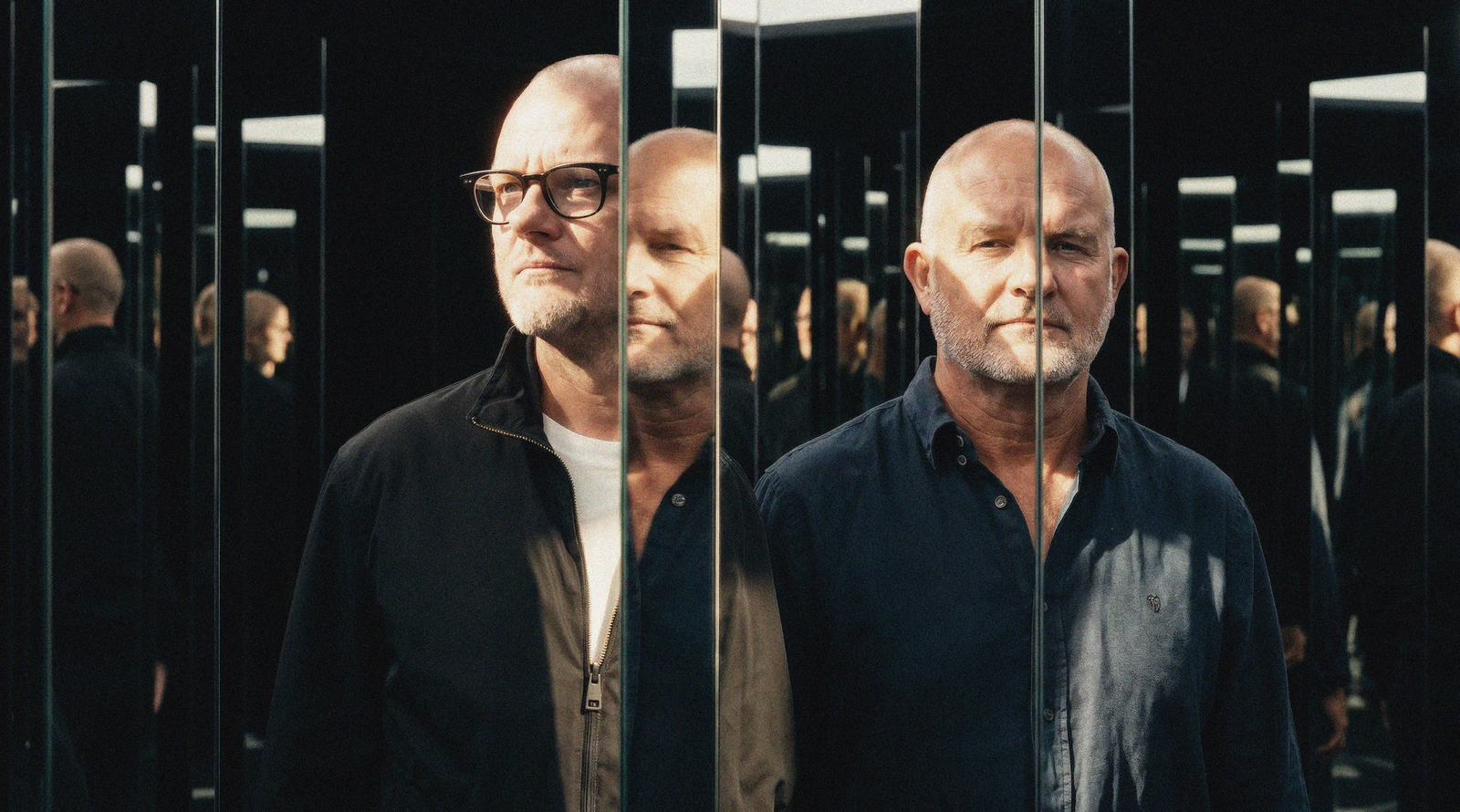
This is not a beautiful flower arrangement - to ChatGPT!
To us humans, this is an beautiful flower arrangement. To GEO, it is thousands of signals - each one shaping how AI interprets visual content.
Read more
Written by Michael Rying
In 2025, a growing share of product discovery began inside AI systems rather than traditional search engines. People no longer scroll through links. They ask direct questions:
AI doesn’t return blue links. It returns answers.
And those answers are built on multimodal interpretation — text and images.
Your visuals are no longer decoration. They are training data.
For decades, brands optimized imagery for humans:
AI evaluates something else.
It detects patterns. It reinforces repetition. It translates visuals into semantic meaning. Every image increases or decreases the probability that your brand stands for something specific.
To AI, no image is neutral.
And this is where many brands are quietly exposed.
Close your eyes and think of a car brand that stands for safety.
Most people think of Volvo.
That association is not accidental. Volvo built decades of communication around safety — starting with the three-point seatbelt, which they chose not to patent so everyone could benefit.
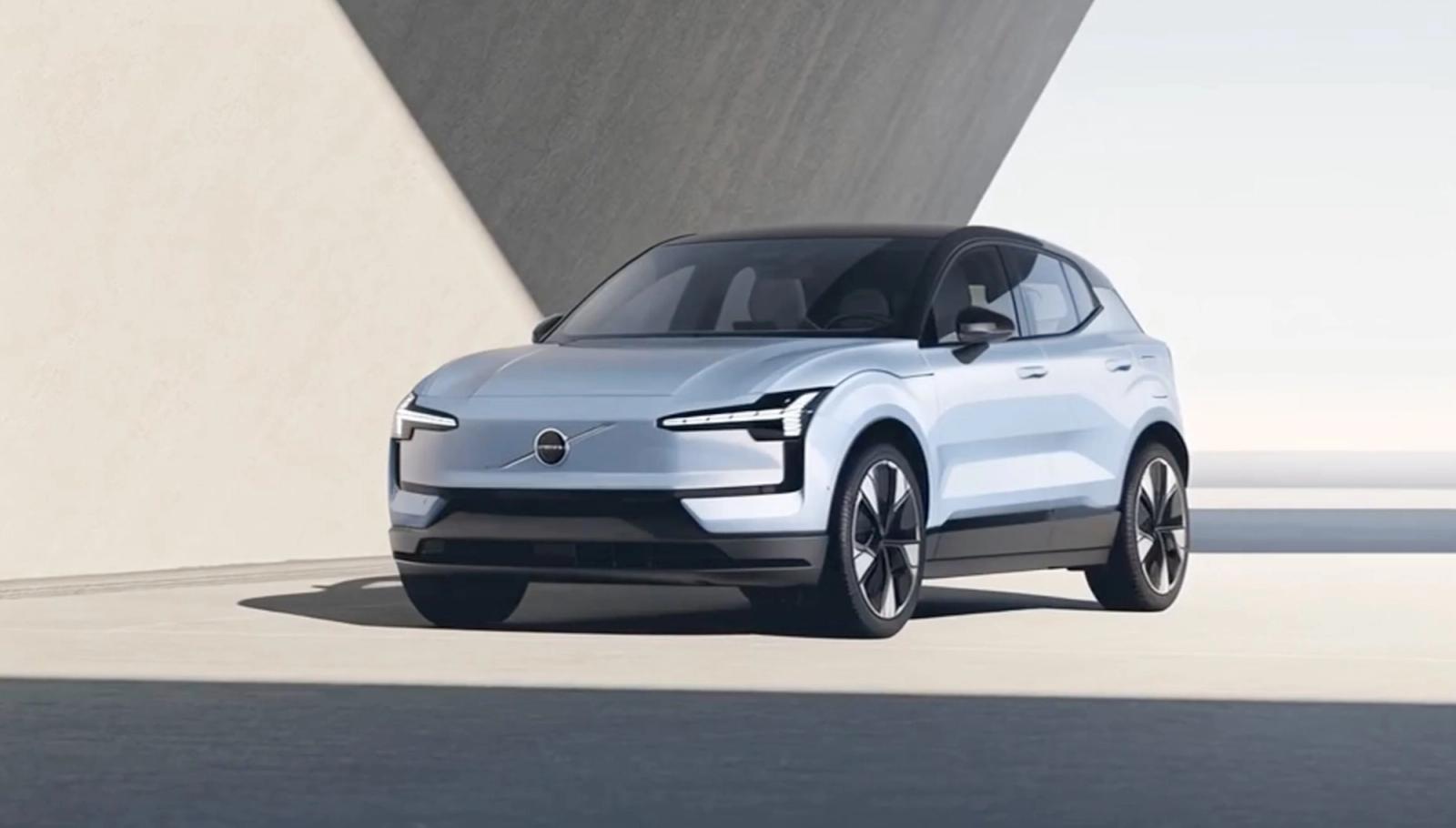
We asked a simple question: How many of those images clearly communicate safety?
That means roughly 25 out of 27 images communicate design, urbanity and modern electric mobility — but not safety.
This is not a design flaw. It is a signal imbalance.
Humans may still associate Volvo with safety because of decades of brand building. AI does not inherit history. It learns from visible repetition.
When someone asks an AI system, “Which electric car is the safest?”, the answer is shaped by signal density — not brand legacy.
Search will not reward what you used to stand for. It will reward what you consistently encode.
For decades, brand ecosystems were built exclusively for human perception.
Now they are parsed by machines that influence discovery, recommendation and visibility.
If your strongest brand pillar is not explicit in text, visible in imagery, and repeated consistently, it becomes fragile in AI-mediated search.
And fragility leads to invisibility. Not dramatically. Gradually.
Here at Scenes, we approach this in three disciplined phases:
Not to game algorithms. But to align your visual reality with your strategic identity.
But now those words are being read by machines first.
The only real question is whether your images are reinforcing your brand meaning — or fading into silence.
Through our four-step Brand Signals process, we help you analyse, define, strengthen, and activate the visual signals that make your brand recognisable to both man and AI. We will get back to you as soon as possible.
Your information will only be used to contact you regarding your inquiry - nothing else.
Best regards, Michael Rying
Founder, Scenes Lab